


Research Centers

Fiscal Year 2025: Investment Impact
- $129 million in new research extramural awards by affiliated faculty
- 1,450 + undergraduates, graduate students, and postdocs taught
- 12 colleges and schools
- 480+ affiliates and personnel
- 37 departments
- 4 research facilities
- 1 shared vision
Infectious diseases are constantly emerging and re-emerging worldwide, causing immense threats to the health of humans, animals, and plants. This is especially clear now as researchers tackle the COVID-19 pandemic that has caused more than 16 million human infections worldwide. To meet this challenge, Virginia Tech has created the Center for Emerging, Zoonotic, and Arthropod-borne Pathogens.
The vision of the center positions Virginia Tech to become a national and international research and training resource that is a leader in advancing transformative science and developing effective countermeasures against emerging infectious diseases. As one of the core center for the Fralin Life Sciences Institute, affilated faculty represent at least seven colleges and more than 25 departments on campus.

Kylene Kehn-Hall
Associate Director
Center for Emerging, Zoonotic, and Arthropod-borne Pathogens
kkehnhall@vt.edu

Sarah Gouger
Coordinator
Center for Emerging, Zoonotic, and Arthropod-borne Pathogens
sgouger@vt.edu
Exponential human population growth has altered ecosystem and planetary processes, straining natural resources and the oceans, forests, grasslands, and freshwaters that are critical to a prosperous society. A more interdisciplinary understanding of these human-induced changes is urgently needed to inform public policy, minimize further environmental degradation in the face of a rapidly growing society, and to promote sustainable solutions to the greatest environmental challenges of the 21st century.
Because interdisciplinary research and student training are essential to tackle the new frontier of global environmental challenges, the Global Change Center at Virginia Tech was founded in 2015. The center brings together experts from diverse disciplines to solve these complex global challenges and train the next generation of leaders.

Bill Hopkins
Director
Global Change Center
hopkinsw@vt.edu

Stephanie McBride
Program Coordinator
Global Change Center
stephmcbride@vt.edu

Michaella O'Brien
Event Coordinator
Global Change Center
michaella@vt.edu
The Translational Plant Sciences Center (TPSC) is a community of researchers committed to advancing basic knowledge in the plant sciences and translating this knowledge into improved crop production. Supported by the Fralin Life Sciences Institute, the center provides unique career growth opportunities for affiliate faculty, graduate students, postdocs, undergraduate students, and alumni.
Our research is diverse, with locations that range from the atmosphere to the rhizosphere, at scales that range from cellular networks to ecosystems. What unites us is a sense of urgency that new tools are needed to ensure that global needs for food, feed and fiber will be met in an ecologically sustainable manner.
We believe that basic molecular research is an important component of this imperative, as are projects that translate new knowledge into practical solutions for sustainable agriculture. Such research requires interdisciplinary collaboration, and much of our research takes place in teams within and beyond Virginia Tech. We are also committed to training students for diverse career opportunities in academia, industry, agriculture, and government. These commonalities underpin a remarkably strong, cohesive community that spans six departments and three colleges.

David Schmale
Director
Translational Plant Sciences Center
dschmale@vt.edu

Jordan Bass
Program Coordinator
Translational Plant Sciences Center
jordanb99@vt.edu
As a university-wide research and education institute, Macromolecules Innovation Institute (MII) at Virginia Tech represents a group of faculty, students, and staff dedicated to fostering an interdisciplinary understanding of the macromolecular sciences and technologies. Collectively, we offer a variety of educational, research, and professional interaction opportunities to our students. We also provide industry collaborators with training opportunities through short courses and offer opportunities for unique collaboration through sharing our laboratories, facilities, and expertise.
MII is supported by direct funding from Virginia Tech and by industry.
The purpose of MII is to unify Virginia Tech’s internationally recognized interdisciplinary program in macromolecular science and engineering. Graduate and undergraduate education in an interdisciplinary macromolecular science environment prepare Virginia Tech students for success in a variety of careers in the research, engineering, and technology enterprise. Students conduct basic and applied research in a unique cross-disciplinary environment which is often necessary to solve technologically important problems that often have relevance to answering specific industrial questions.
MII is a university-wide institute and reports to the Office of Research and Innovation. It is guided by a Stakeholders Committee currently headed by the Director of the Institute for Critical Technology and Applied Science.
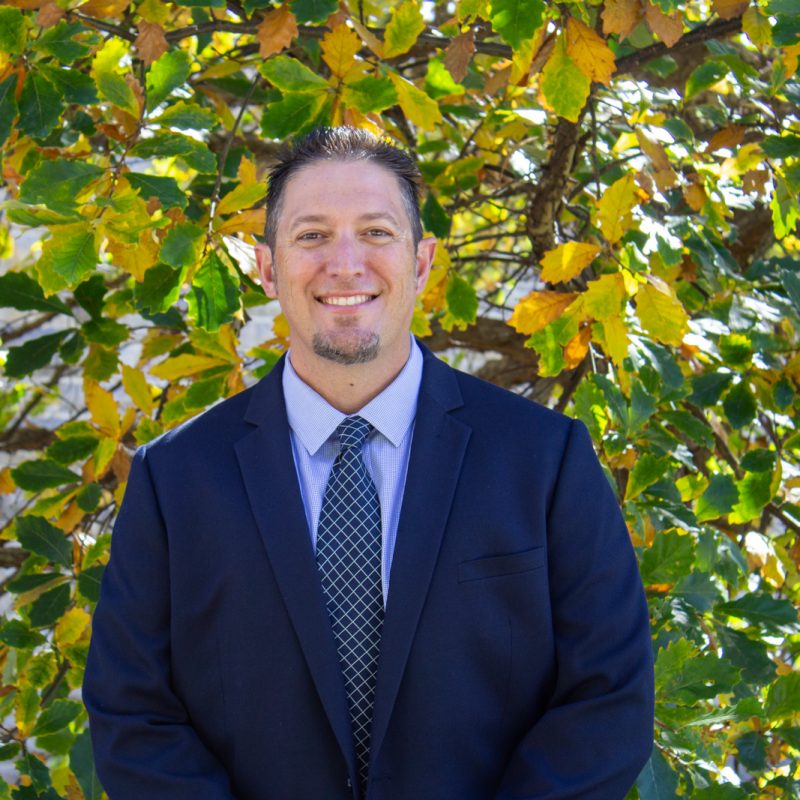
Robert Moore
Director
Molecular Investment Institute
rbmoore3@vt.edu
